Last night I co-presented a talk about ancestral work in my Pagsuyo study group from the Center for Babaylan Studies that is in a yearlong examination of ethnoautobiography. My powerpoint was an abbreviation of the longer work I am doing in my book.
As writers and editors know, the most challenging task on the page is condensing massive subject matter to fit inside of brevity. I felt strangely insecure about the transitions and leaps in my presentation and was preoccupied with worrying whether it would resonate. Of the offerings I try to make, the ones to Filipino communities, carry special weight. It wasn’t about readiness, but I didn’t feel confident about my offering, even as it was kindly received and appreciated. I processed the experience afterward with Nick over a late mushroom ravioli dinner. I felt slightly better, but a part of the presentation that we didn’t have time for lingers on my mind today.
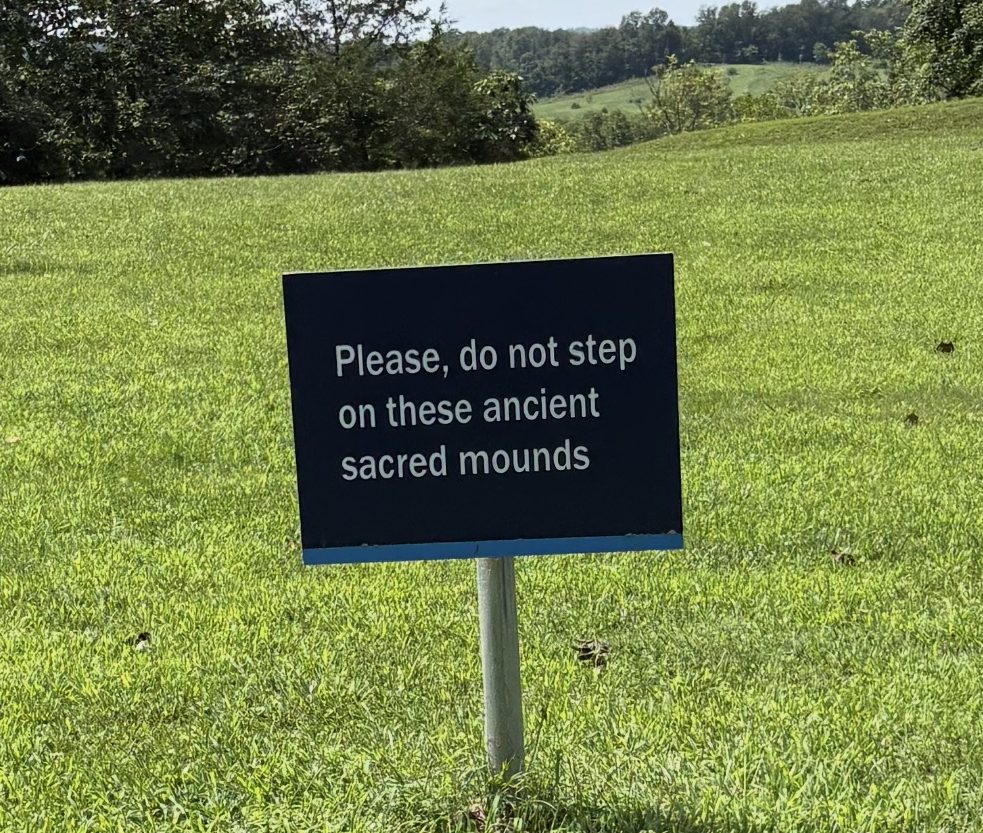
When reading the text, I kept returning to the sentence: “All people have Indigenous roots somewhere, sometime.” I agree, but with texture. In prep for our presentation, I worked with Cristina Lledo Gomez, a Christian theologian based in Australia. Our talking points were complementary to one another but born of completely different experiences of the word “indigenous” since, in the midwest United States, my experience is that if you use the word indigenous, most people assume you are Native American. I didn’t claim it out of respect and awareness that I am a diasporic settler in Kaskaskia, Myaamia, and Hopewell culture lands. In our meetings, we went back and forth, discussing our relationship to the word.
Over the decades, I have opted out of sessions that call for indigenous voices at feminist and literary conferences. A few times I have been asked why I didn’t join. I give my reason and the response is either “You should have come,” or “you are indigenous.” But I am porous with the language systems around me that have positioned indigenous with Native Americans, exclusively. In the context of Filipino identity, like many Fil-Ams, as if I need more memos from strangers on the internet, I am routinely reminded that I am not native to the Philippines since I was born in States. So. “Indigenous” has layers.
After a few years into this particular dissection work, I am cultivating a sense of my own re-indigeneity where I use the word indigenous as synonymous with defaulting “authority” to the land and water. I work to incorporate somatic senses in my knowledge production work. I carve out time to share my dreams with confidants. I try to listen to all life, species, creatures, and humans more deeply than I ever have. On the land that my family resides on, we intentionally purpose it for gatherings of all sizes, storytelling for all ages, bonfires that lick the sky, and ancestral remembrance. My spiritual work reflects my commitment to re-development, using neural and spiritual plasticity to accommodate my reverence for Native American history and people while deepening my Filipino American practices.
Part of this work is also recognizing that much of my restlessness and discomfort from my presentation last night comes from ever-evolving work to heal hyper individualism, perfection standards, addiction to precision, hierarchy, binary thinking, purity performance, and misplaced trust that counteracts community formation and collective learning. The work continues.
In kapwa–much love and respect to all defining and redefining their imaginations

